

Momentum for the Environment Initiative
The Curated Project Pipeline
Portfolio at a Glance
~100
shovel-ready
projects
$125 million
total 1-year
funding
80+
countries in Africa,
Asia, & the Americas
Our Purpose
This pipeline responds to a critical inflection point in global environmental action: the loss of over $1 billion in annual USAID climate and environment funding and the institutional capacity, data systems, and local partnerships behind it. Our research shows implementing organizations have been hit hard: some have closed, while others have scaled back significantly, slowing progress. The pipeline is designed to preserve momentum by capturing high-value opportunities and connecting them to new sources of support.
The pipeline is a curated set of high-potential, implementation-ready activities identified from hundreds of prior efforts. It focuses on the most catalytic pieces: those that sustain institutional capacity, unlock systems change, and advance integrated progress across climate, biodiversity, and pollution. We built this pipeline through direct relationships with implementing partners to identify specific activities that are currently viable and updated to reflect on-the-ground realities.
Shaped with input from philanthropic advisors and donor collaboratives, the pipeline aligns with funder needs while maintaining rigor and practical deployability. We are former funders and have applied the same standards used to manage large-scale portfolios: strong evidence, credible partners, institutional feasibility, and clear pathways to sustained impact.
Goals
01
Accelerate a just, low-carbon transition.
02
Protect and restore the natural systems that sustain life.
03
Build the institutions and governance that make progress last.
Sectors

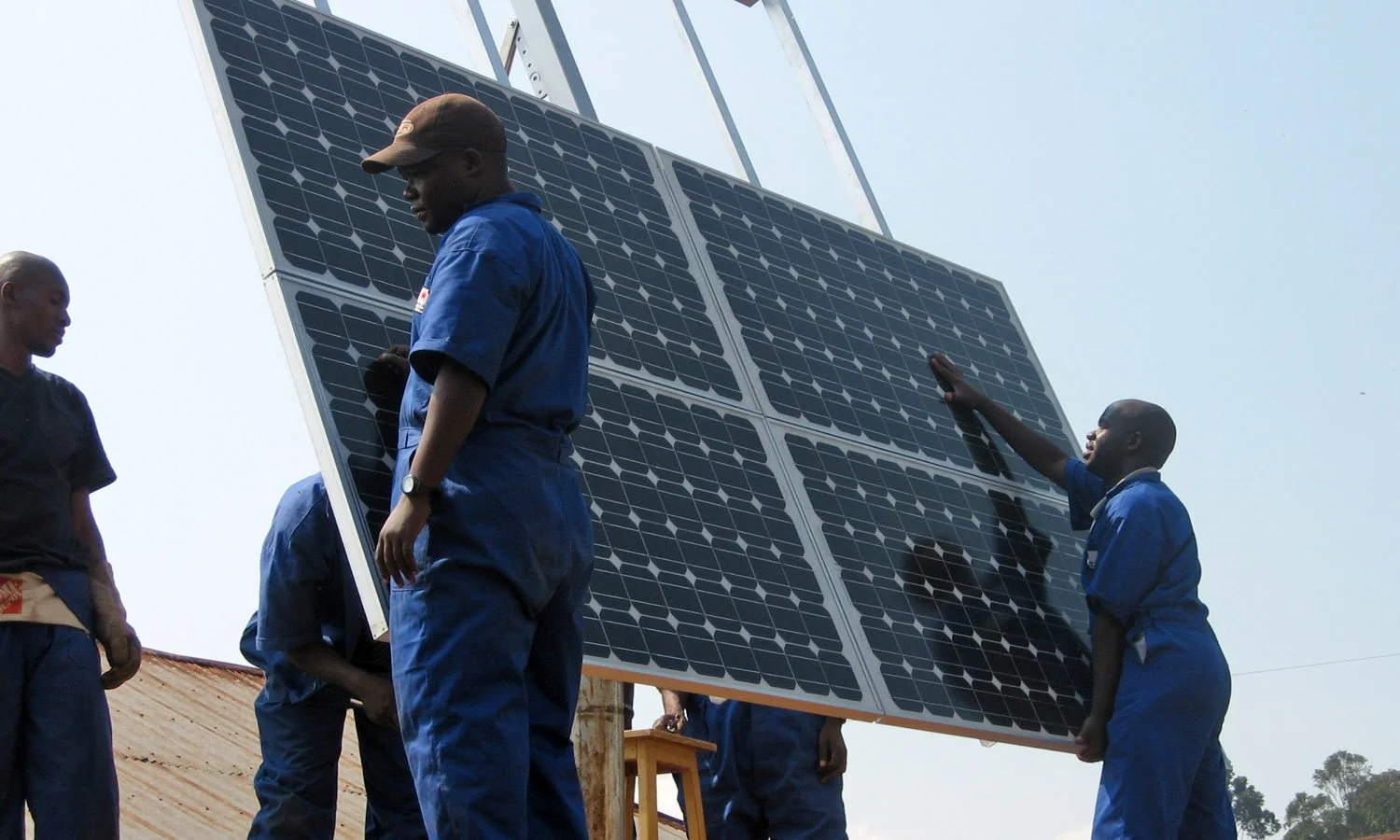
Biodiversity and Conservation Crime
60 Projects
Forest, marine & terrestrial conservation, sustainable livelihoods, indigenous rights.
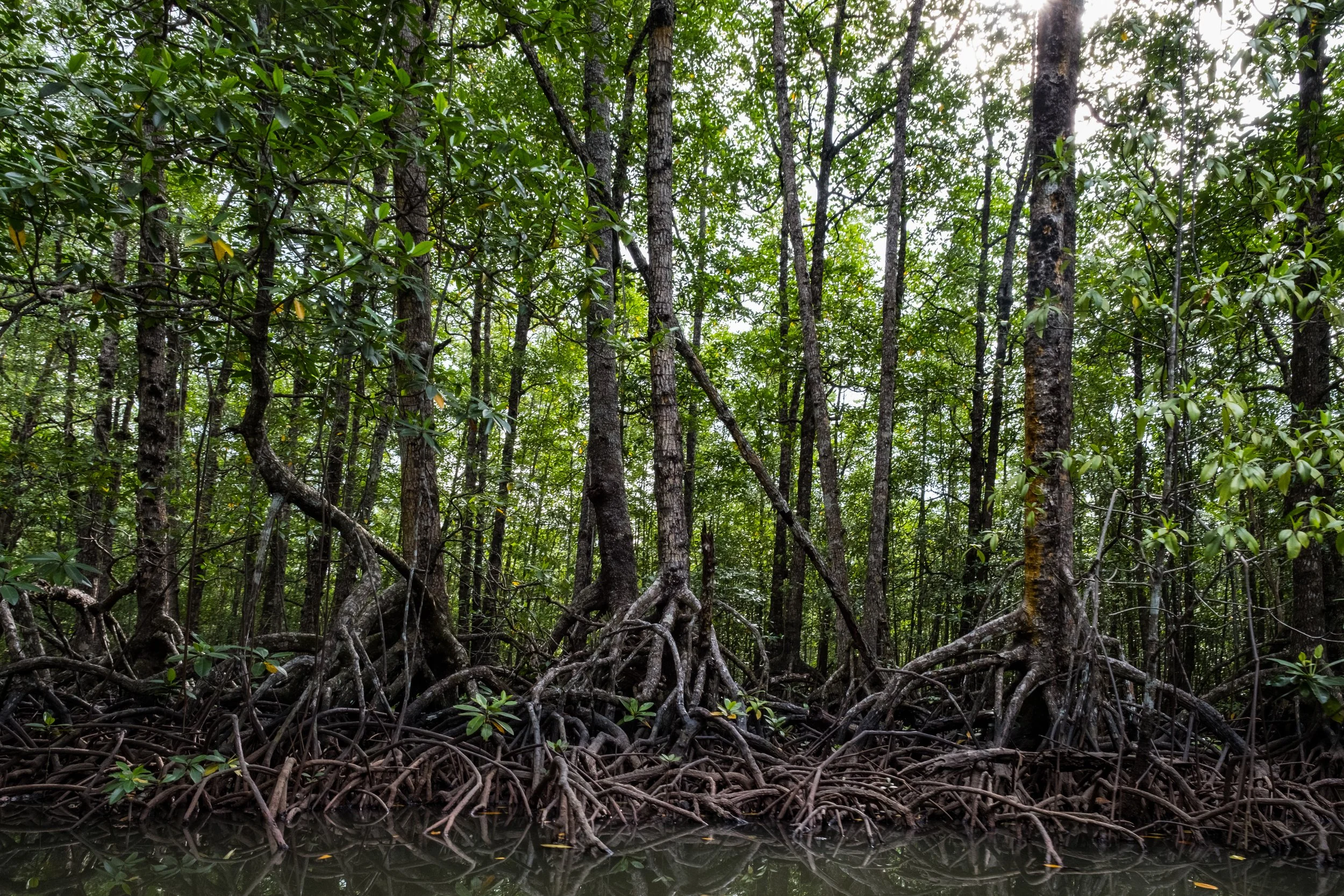
Clean Energy
21 Projects
Renewables deployment, energy efficiency, clean energy access, grid modernization.
Climate Resilience
38 Projects
Nature-based solutions, early warning systems, disaster risk reduction, livelihood diversification.
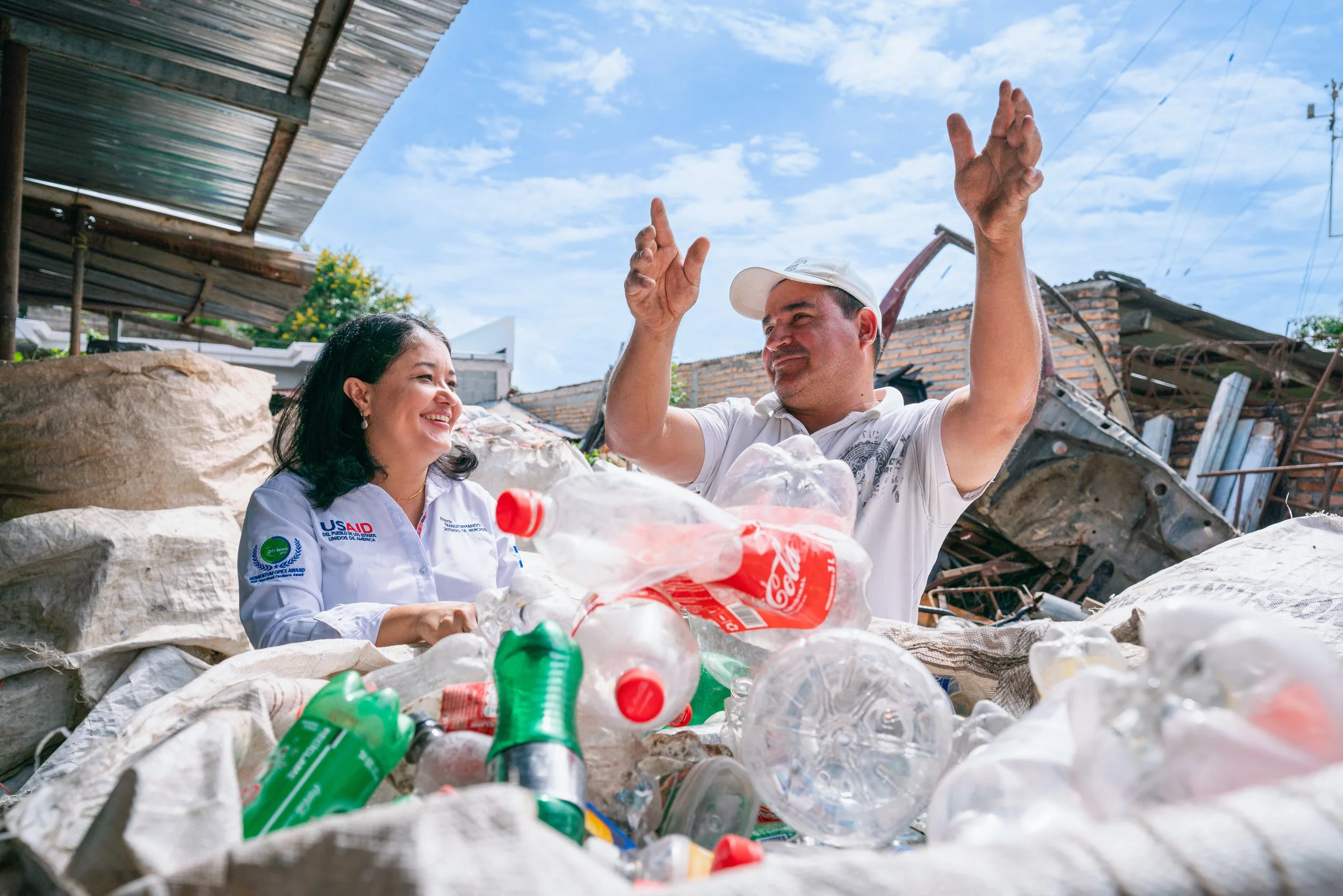
Pollution and Circular Economy
19 Projects
Plastic waste reduction, solid waste management, informal waste workers, and air quality.
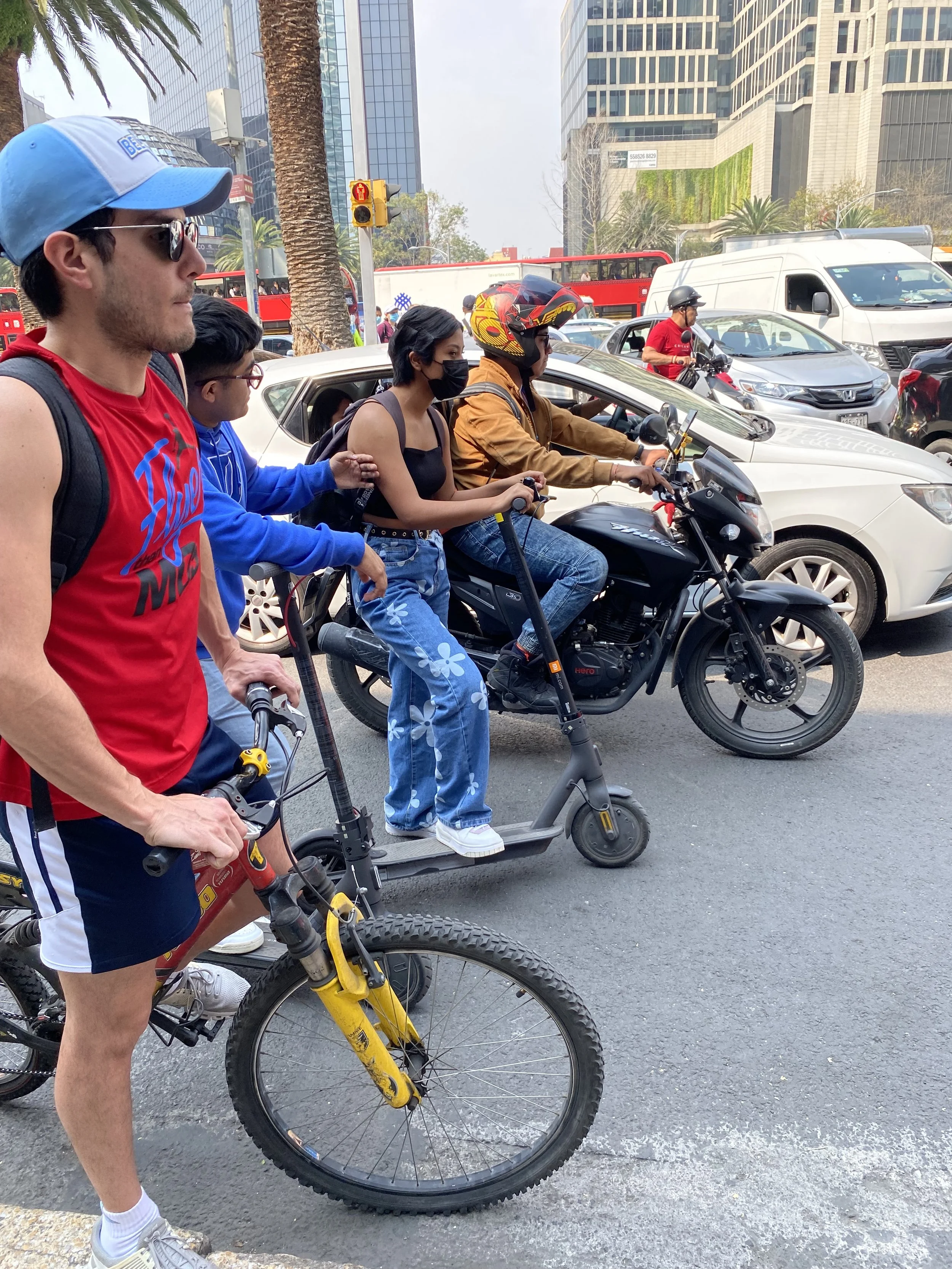
Urban Systems and Resilience
16 Projects
Transport decarbonization, city climate finance, urban resilience.
Water Security
13 Projects
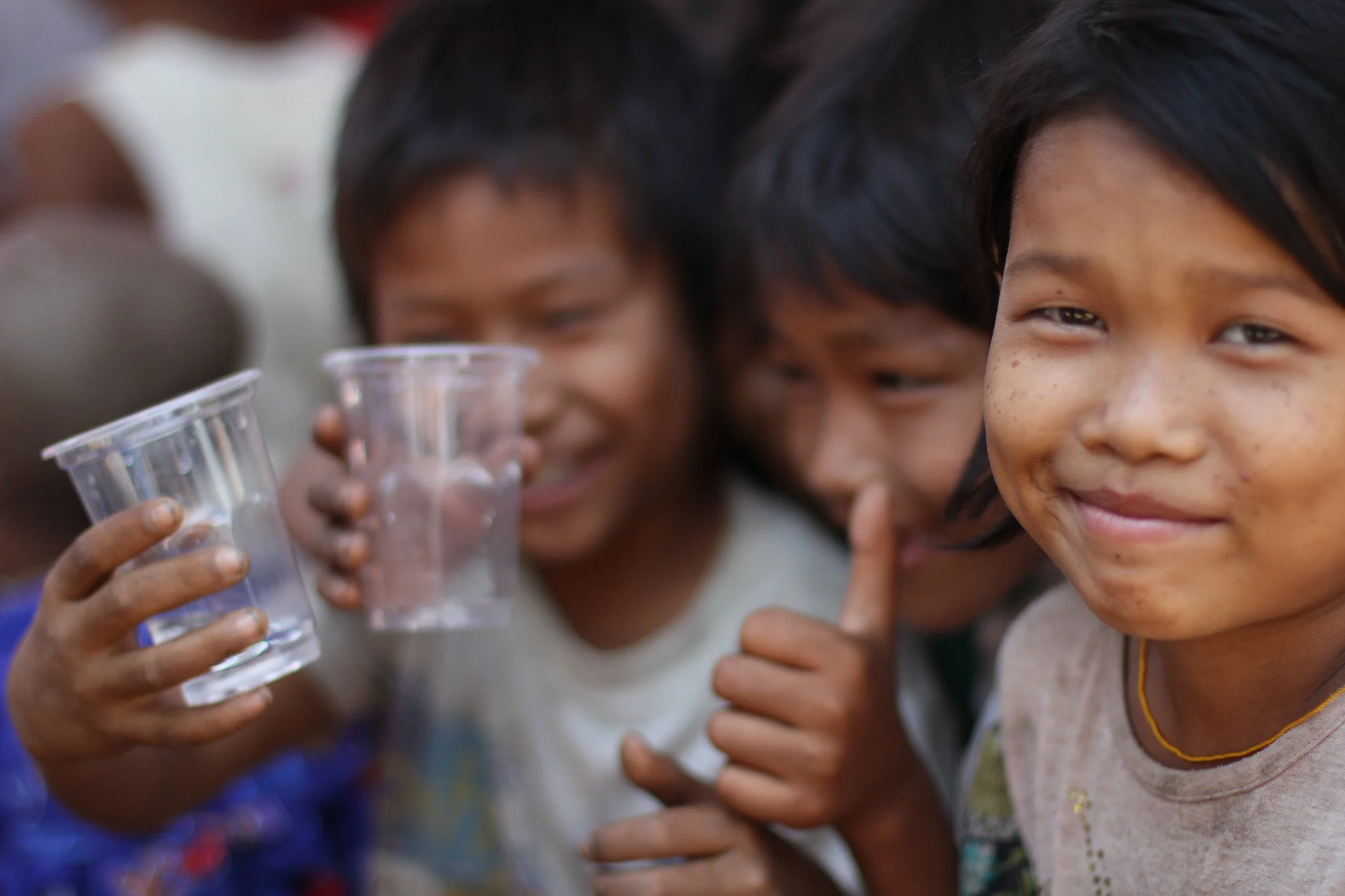
Watershed restoration, ecosystem services payments, water governance, rural water quality.
Sustainable Food Systems
40 Projects
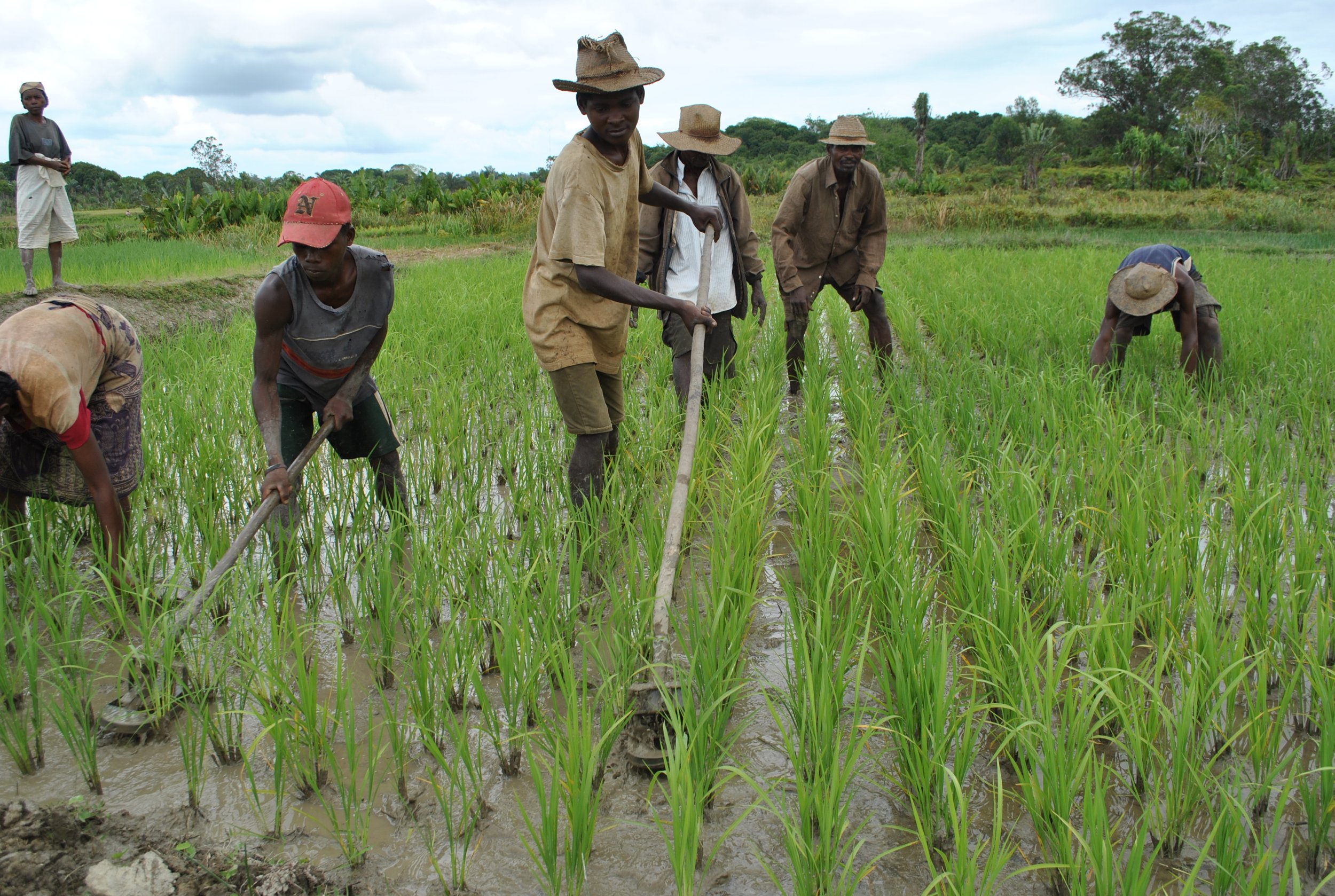
Climate-smart agroforestry, smallholder farmer support, sustainable supply chains.
Enabling Systems and Finance
45 Projects
Blended finance, governance, policy reform, institutional capacity, carbon markets.
Many projects have multi-sectoral objectives and thus fall into multiple categories.
The Implementing Organizations
50% of the projects are implemented directly by local organizations.
The organizations are vetted through U.S. government processes.
They have strong delivery track records and local presence with connections to community and governmental structures.
Projects at Every Funding Level
Projects range in size and timeline, from near-term implementation to longer-term system transformation. The chart below shows the number of projects by funding level for 1 year.
How We Curate
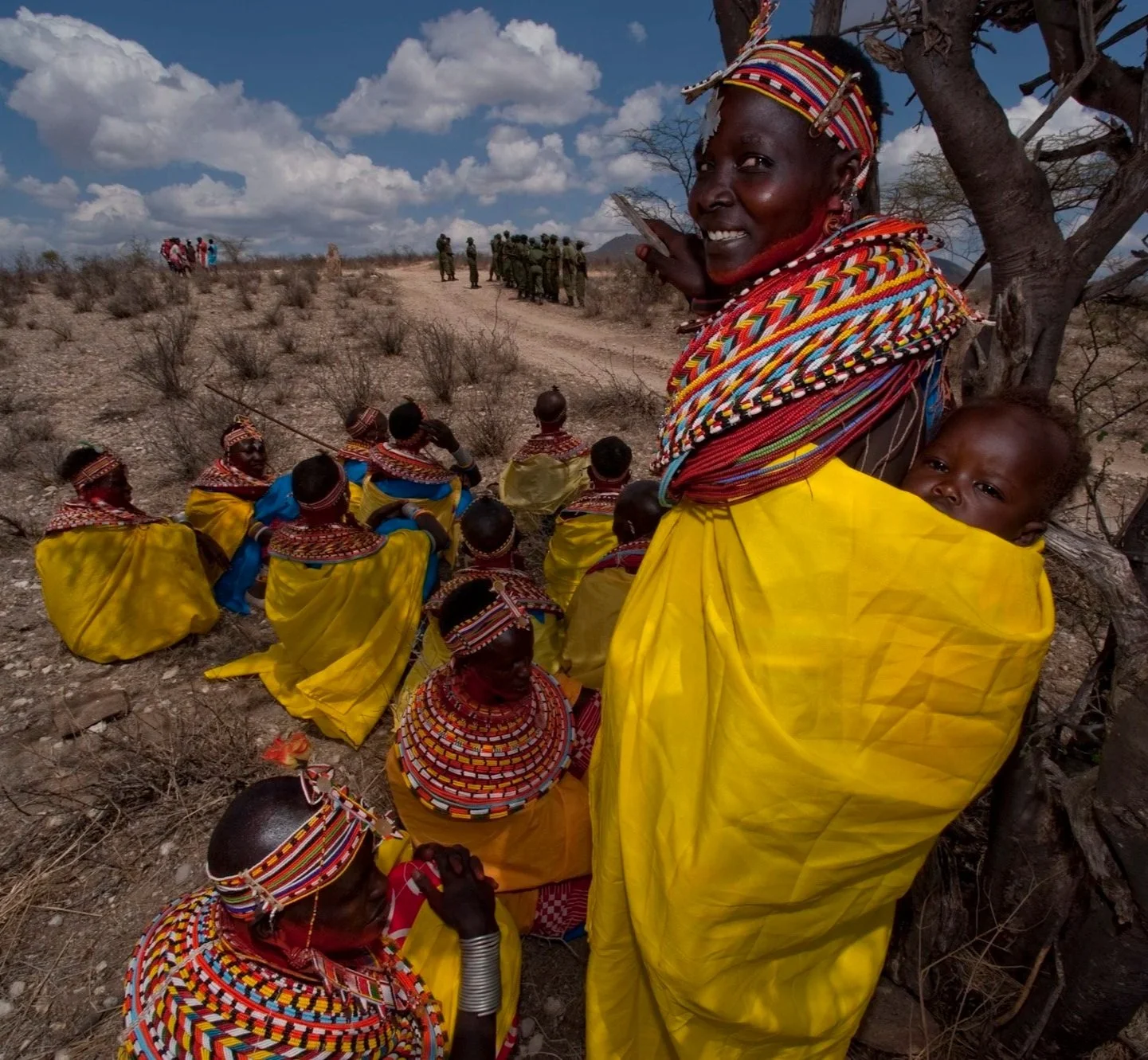
At the heart of One Earth Partners’ methodology is expert-led curation.
Our approach utilizes:
Extensive expert networks with decades of experience across sectors and regions
Deep country and political economy knowledge
Sectoral expertise on effective solution pathways across climate, biodiversity, and pollution
Contextual understanding of environmental drivers, systemic pressures, and the evolving funding ecosystem
Step 1 — Candidate Identification
We compile a long list of candidate projects through document review, key-informant consultations, and expert referrals, assessed through structured screening and stakeholder validation.
Step 2 — Pre-Screening for Eligibility
Projects must operate at a globally, regionally, or nationally significant level; address at least one system lever (policy reform, market transformation, institutional strengthening, social/behavioral change, research, or technology deployment); have a credible implementation partner; demonstrate an evidence base or strong conceptual logic; show a track record of success; and contribute to climate change, biodiversity loss, or pollution.
Step 3 — Deep Screening for Viability
Pre-screened partners are invited to submit current status, funding needs, partner capacity, and operational readiness. This stage also identifies project components — particularly through local partners — that can continue or restart under new funding. The output is a structured project database tagged by geography, sector, cost range, and implementation status.
Step 4 — Portfolio Organization for Funder Entry
Projects are organized by sector, size, geography, and funding use to create tailored, funder-specific project lists ready for partnership development.
What We Provide to Funders
1. Tailored project shortlists aligned to funder priorities
2. Curated portfolios by sector, geography, and/or funding use
3. Opportunities for partnership development
Schedule a consultation to receive a short curated list and facilitated introductions. Contact us at info@oneearthpartners.com
Additional fee-based support is available for due diligence, grant structuring, and strategy support.